 川流不息
July 1
I got up a little after 3 a.m., and my ride-hailing car was already waiting at the gate. I packed up and headed to Shuangliu Airport to meet Jimmy. He said his flight had been delayed more than two hours by heavy rain at Hongqiao 😂 — he’d only reached Chengdu after 2 a.m. and had barely slept.
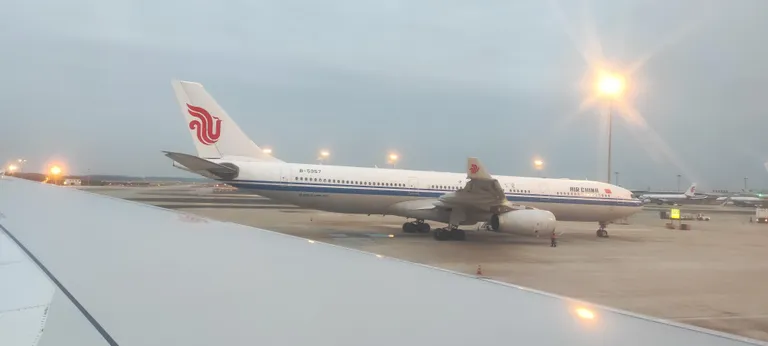 Full of excitement, we boarded the Airbus A330 to Lhasa. A trip that once took me eight days driving along National Highway 318 took just over two hours. Jimmy had picked seats on the left side of the plane, saying that in good weather you could see Gongga and other snow mountains from that side. I was so sleepy that I fell asleep as soon as I boarded. When I woke up just before landing, I saw many snow mountains in the distance — perhaps some of the places we’d be visiting over the next few days.
Jimmy had shipped his Prado from Shanghai to Lhasa ten days earlier, planning to drive off in his own car as soon as we arrived. But plans can’t keep up with change: the shipping company said that, due to traffic jams, his car wouldn’t arrive until the evening of July 2 at the earliest. Not wanting to sit idle for two days, we rented a Tank 300 and planned to explore the sights around Lhasa first.
When we got off the plane, the rental company had a car waiting and drove us straight to a nearby parking lot. After a quick handover, we set off in the Tank.
According to Jimmy’s itinerary, our first stop was the Cona route in Shannan, which included an off-road crossing — more on that later. We quickly reached Shannan via the Zegong Expressway, then followed the national highway over a pass of more than 5,300 meters. On our first day on the plateau we both felt a bit of altitude sickness, so we took a few photos and headed down without lingering. On the way we came across a lake, its water deep blue in the sunlight, like an emerald on the barren plateau. Up close we learned it was Nari Yumco, at about 4,700 meters, with a snow mountain on its shore — the lake and the mountain set each other off beautifully.
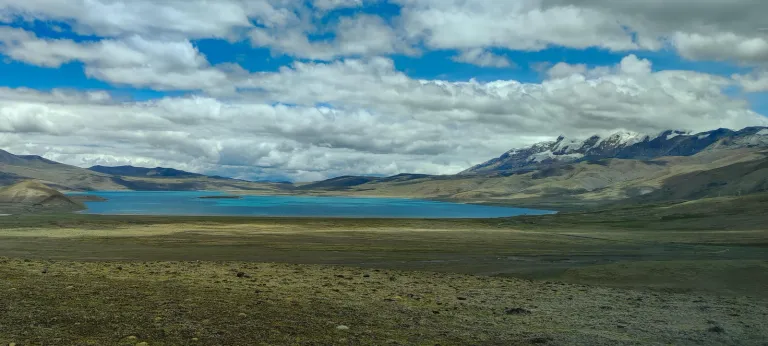 Nari Yumco to Cona County is only about 50 km, but Jimmy had planned a different route. We followed a mountain road west from the lake to Quzhuomu Township, passing a thousand-year-old sea-buckthorn forest. At high altitude the air is thin, so the vegetation is mostly shrubs and trees are rare.
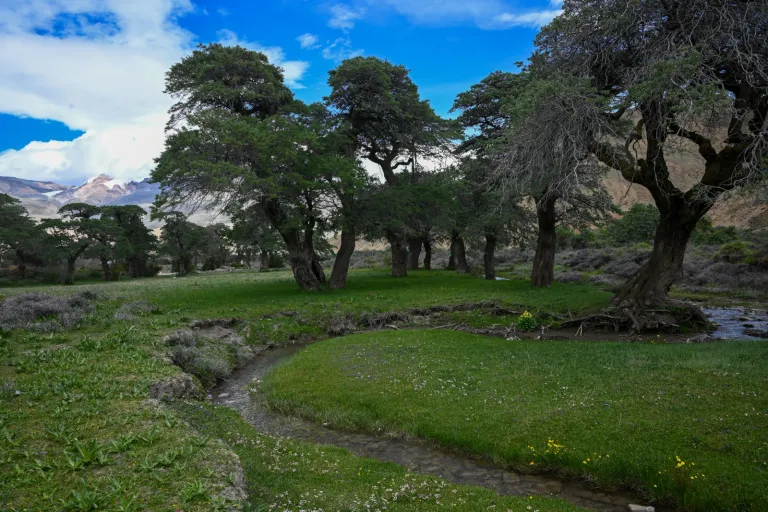 A whole forest of sea buckthorn is a rare sight. The trees were lush and mostly very old, and with the snow mountains in the distance the contrast was striking.
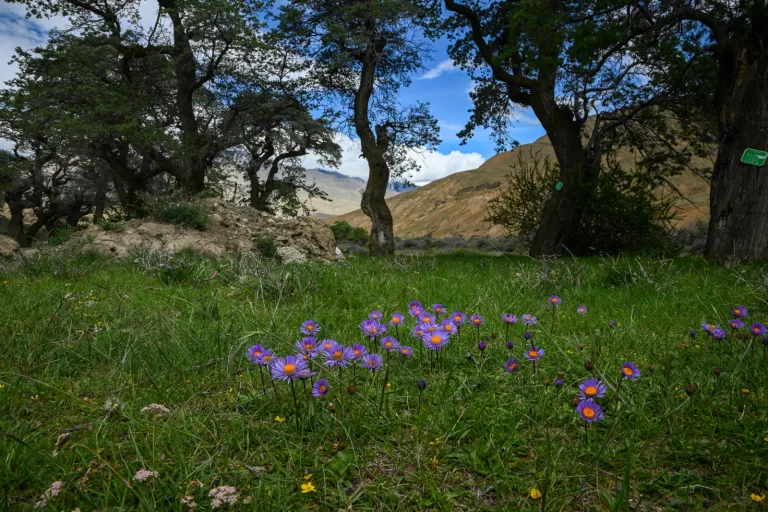
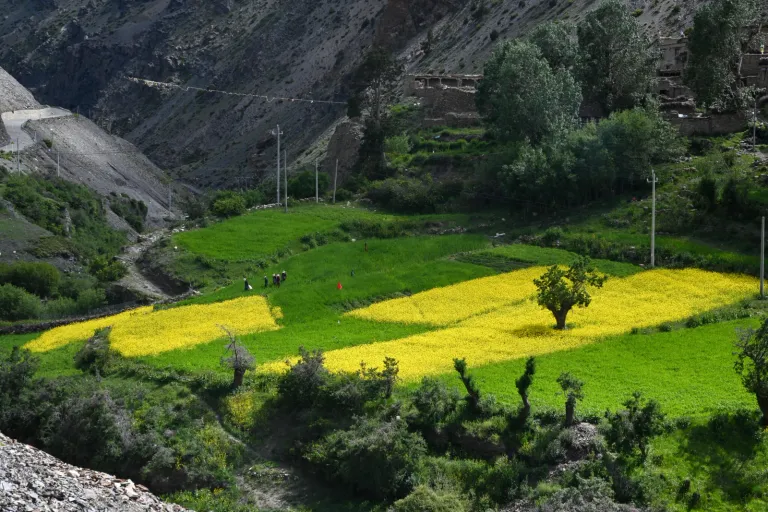
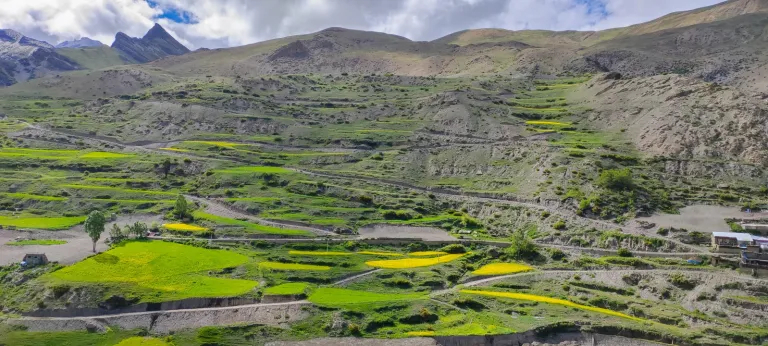
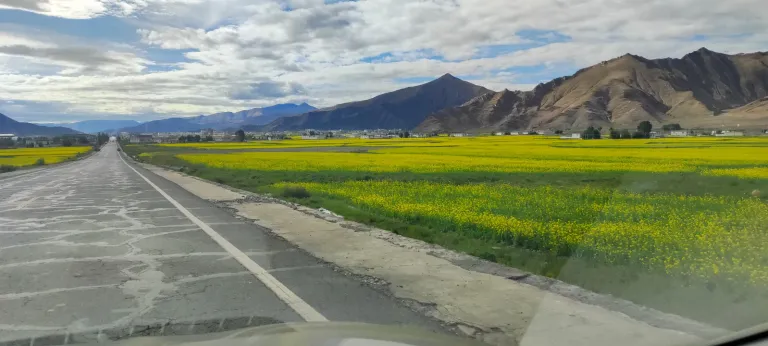
Continuing southwest from Quzhuomu, we passed many villages built on the gentler slopes. The rapeseed and highland barley they grow formed terraced fields, and the rapeseed flowers were in full bloom — it felt like a hidden paradise. It was already mid-May on the lunar calendar, yet the rapeseed in Tibet was only just starting to flower. The ancients figured this out long ago: “In the world below, April’s blossoms are all gone; at the mountain temple, the peach flowers have just begun to bloom.”
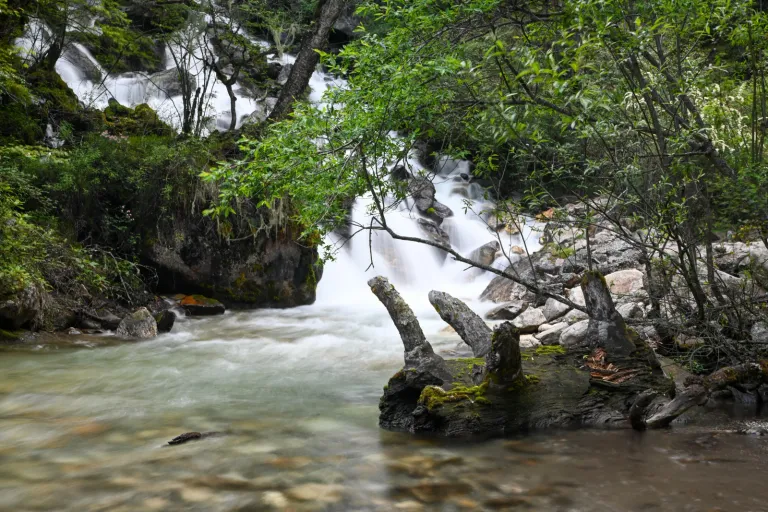
 Heading further west, at the turnoff for Kuju Township there’s a small road to Kyiba Monpa Ethnic Township — the crossing I mentioned earlier. Along this route several waterfalls converge into a roaring river, quite a spectacle. The road drops steeply, its surface mostly large broken rocks, passable only by off-road vehicles. More importantly, on one side of the road are sheer cliffs and jumbled rocks, and on the other a bottomless gorge with a raging torrent.
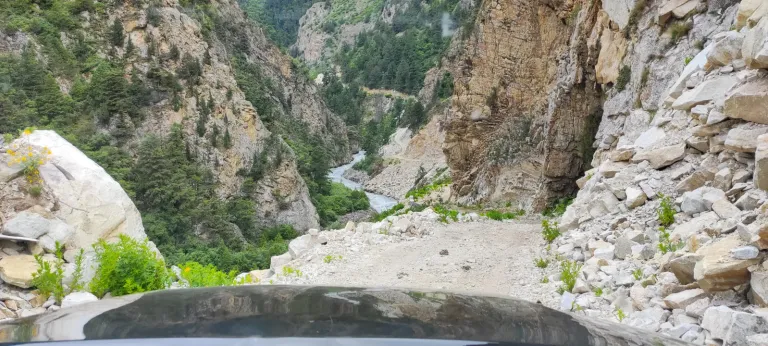 We were on edge the whole way, with danger at every turn, but we made it safely to Rang Village, a Kyiba Monpa settlement deep in the valley. According to Jimmy, this is right on the China–India border. The Kyiba Monpa live along the border on both the Chinese and Indian sides and are a separate branch from the Tibetans.
 After Rang Village, Cona County is close — but about two kilometers on, at a gorge, we found a bridge under construction that no car could cross. The route that should have taken half an hour to Cona was impassable, so we had to go back the way we came, from Quzhuomu to Nari Yumco and then around to Cona County. By the time we got there it was past midnight. We found a hotel in Cona County (4,300 m). It had been an exceptionally long day.
July 2
After breakfast in Cona County we went to check on the bridge, reaching the far side from Rang Village. The bridge site is at the bottom of the Lebu Valley; the mountain road descends more than 1,000 meters and the vegetation there is remarkably lush. But the bridge was expected to take another two days to finish.
Today’s main plan was to go from Cona County via Kuju Township to Lhozhag County, visit Puma Yumco and Yamdrok Lake, then return to Lhasa and switch to Jimmy’s car the next day for the trip to Ngari. The road to Kuju was mostly the one we’d driven the day before, and it went smoothly. After Kuju we started climbing, from 4,300 meters all the way to a 5,500-meter pass, and small ice pellets began to fall. As we climbed, several snow mountains drew closer and closer, until we were standing above their snow line. We kept marveling that the trip had been worth it.
On the way up we met a couple from Beijing coming down, two cars in their group. They said they’d started up at 10 a.m. and had to get out many times to move large rocks off the road to get through, and that past the pass a section of road had collapsed, so they advised us to turn back. We figured that since we’d come this far, we should at least go take a look — maybe our car could make it. That turned out to be far too naive, and we paid dearly for it. At the pass the road down looked fine, and since even walking at that altitude leaves you gasping, we didn’t linger and started down. Gradually the rocks left on the road got bigger and bigger. Jimmy carefully steered around them, until we reached a stretch of about ten meters blocked by huge fallen boulders. There was no way through, so we decided to turn around and take a longer route instead.
Two hairpins after turning back, disaster struck. We suddenly heard the right rear tire losing air: the car had passed between two big rocks and the right sidewall had been slashed. We didn’t think much of it at first — we had a spare, so we’d just change it and carry on, though changing a tire above 5,000 meters would take some effort. The ice pellets were getting heavier. We checked the damage and went back into the car to wait for it to ease off before changing the tire, but it never stopped. Jimmy said we shouldn’t stay here long, so we put on extra jackets and got out to change the tire in the sleet. Midway through, Jimmy said: “Uh-oh, why does the front tire sound like it’s leaking too?” Sure enough, the right front sidewall also had a small cut and was nearly flat. A sense of dread set in. We were at about 5,500 meters, with almost no one around and no phone signal at all — there was little chance of getting outside help. With only one spare, all we could do was finish putting it on the rear and hurry down the mountain for help. By then we no longer cared about the rain and ice pelting our heads or the thin air. Working together, Jimmy jacked up the rear while I loosened the lug nuts. In about ten minutes the spare was on, and we crept down the mountain with the right front tire half flat.
The road that felt so easy on the way up seemed endless on the way down. The steering wheel kept pulling right and had to be held hard to the left, or we risked going over the cliff. After more than an hour we’d dropped from 5,500 meters to about 4,300, and the road turned from gravel to concrete — if we held on a little longer we should reach a small village ahead. Jimmy and I were just remarking that in all this time we hadn’t seen a single car or person, when we spotted a few motorcycles parked by the road and some Tibetans working in a field in the distance. It felt like rescue was in sight, and our spirits lifted at once. The Tibetan locals noticed our car crawling along with an irregular flapping sound from the tire and came over to see what was wrong. After a brief exchange, a young Tibetan man agreed to take the damaged tire to Quzhuomu Township to be repaired. Jimmy and I agreed that I’d wait in the car while he went with the young man to get the tire fixed.
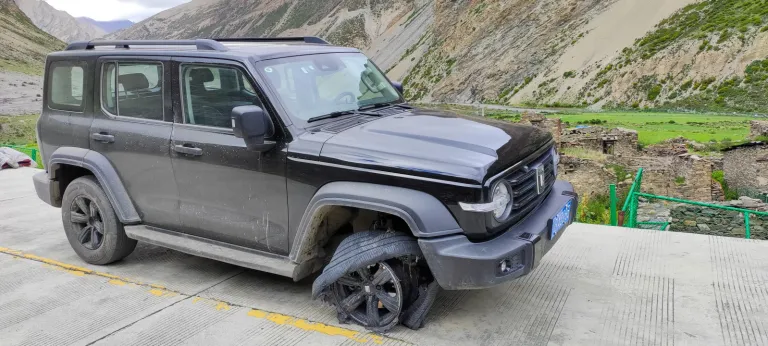 It was already past 6 p.m. Quzhuomu was about an hour and a half’s drive away, so if all went well the round trip would take three hours and they’d be back after 9 p.m. Because of the time difference, it doesn’t get fully dark here until 9:30 p.m., so I figured being alone in the car until they returned before dark wouldn’t be a problem. That turned out to be naive — I had overestimated the facilities in the border region. When Jimmy and the others got to Quzhuomu, they found that the tire couldn’t be repaired because the cut was in the sidewall. The township had no new tires for sale; the nearest stock was in Cona County, and driving there to buy one would add another three hours or so. The shop owner arranged for a seller in Cona to deliver a tire to Quzhuomu, saving more than an hour. Even so, they should have been back by 11 p.m., but thick fog rolled into the mountains that night, and it was past midnight before they returned.
I waited anxiously in the car alone, especially after about 9:30 p.m., when it grew dark and the temperature dropped. In his rush Jimmy had taken the car key with him, and one window was left open, so cold wind kept pouring in. Luckily my luggage was in the car, and I piled on layer after layer — heavy clothes, then a blanket, then a quilt. Outside the window there was only the endless rush of the stream, and a full moon rose over the nearby peak, bringing a little light to the pitch-black night. Cold and hungry, I kept watching the scene outside the window. In that wild, deserted place I used reason to overcome fear, and finally held out until Jimmy returned with a new tire. With the young Tibetan man’s help we quickly changed it, bringing the day’s little episode to an end.
After changing the tire, perhaps because we were still so wound up, neither of us felt sleepy, so we drove to Shannan to rest. It was more than 200 km, and around 4 a.m. we checked into a hotel in Shannan and fell asleep the moment we hit the bed.
July 3
We had only booked the rental car for two days, so we needed to return it in Lhasa — and Jimmy’s car might have arrived there by now. We got up at 9 a.m. Maybe because Shannan is at a lower altitude, and because exhaustion makes for deep sleep, neither of us felt tired. After breakfast we found a garage in Shannan to deal with the tire we’d swapped out the night before. The tire was certainly scrap; the wheel had no deformation, just some minor scratches on the rim that didn’t affect use. We bought a new tire, fitted it, drove back to Lhasa on the Zegong Expressway and returned the car without any trouble.
The shipping company had said Jimmy’s car would reach Lhasa by the evening of July 2 at the latest, but when we called again they said it wouldn’t arrive until noon on the 4th. So we had to spend an unplanned night in Lhasa — a good chance to rest and recover. I booked the Holiday Inn I’d stayed at on my visit to Lhasa two years earlier, only two or three kilometers from the Potala Palace, so we could wander out if we had time. We got to the hotel around 1 p.m. By then we both felt we hadn’t slept well the night before and weren’t in the mood to go out, so we took a nap.
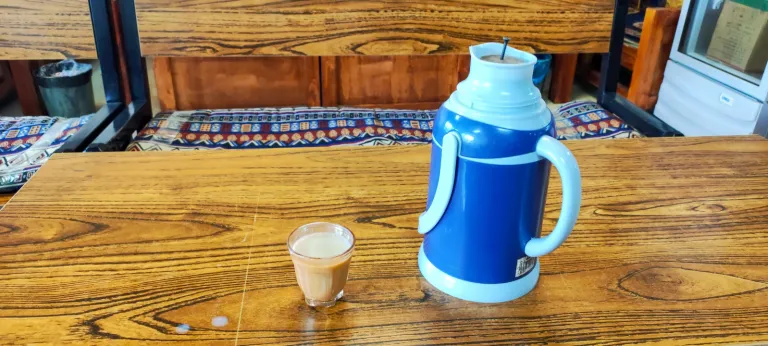
Around 4 p.m. we got hungry and went out to find food. We found a Tibetan restaurant, drank a pot of sweet tea and had something to eat. The sun was fierce, so we went back to the hotel to sort through the photos from the past two days. I’d planned to go out and shoot the city at night, but it started raining after dark. I opened Obsidian to write down these words, ending the day’s simple itinerary.
July 4
First thing in the morning we started checking on the car transporter. If the car had arrived we’d check out, pick it up, and head toward Shigatse. Instead we were told the transporter’s driver had altitude sickness near Nagqu and couldn’t drive. After some back and forth, the transport company arranged for a driver from Lhasa to go to Nagqu and bring the truck in. It wouldn’t reach Lhasa until tonight at the earliest, so there was nothing for it but to stay another day in Lhasa and extend the hotel booking.
In the afternoon Jimmy and I strolled around Barkhor Street next to the Jokhang Temple and tried Tibet’s signature sweet tea.
July 5
The car finally arrived in Lhasa. After breakfast at the hotel we took a taxi straight to pick it up.
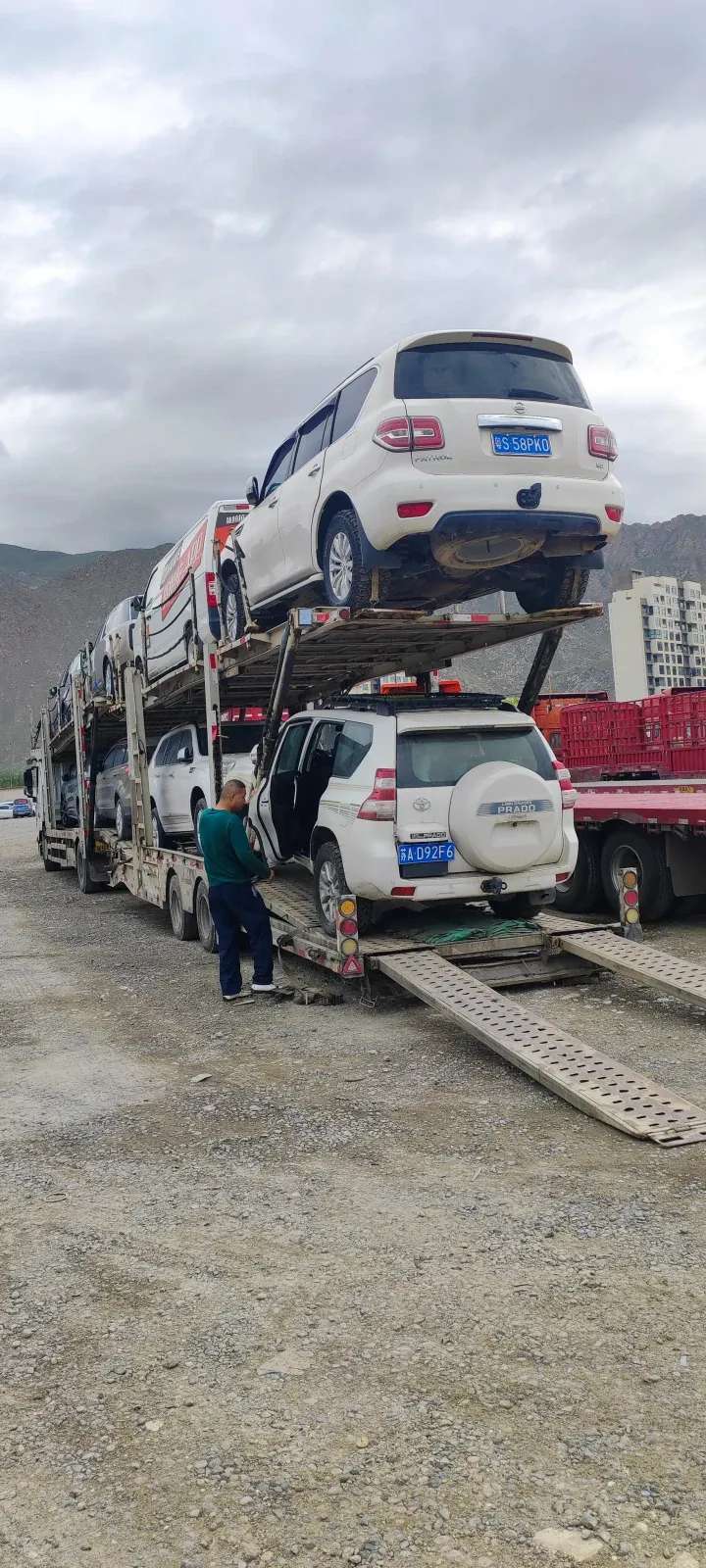 After picking up the car we followed National Highways 318 and 219 toward Gamba County, passing Yamdrok Lake and Puma Yumco, and arrived around 10 p.m.
July 6
Gamba County is a world-class viewpoint for snow mountains — in the morning you can see the rolling snow peaks right from the hotel window. After breakfast we hiked up to a nearby viewing platform to photograph them. Because of the high altitude, climbing was extremely hard; we had to stop and rest every few steps.
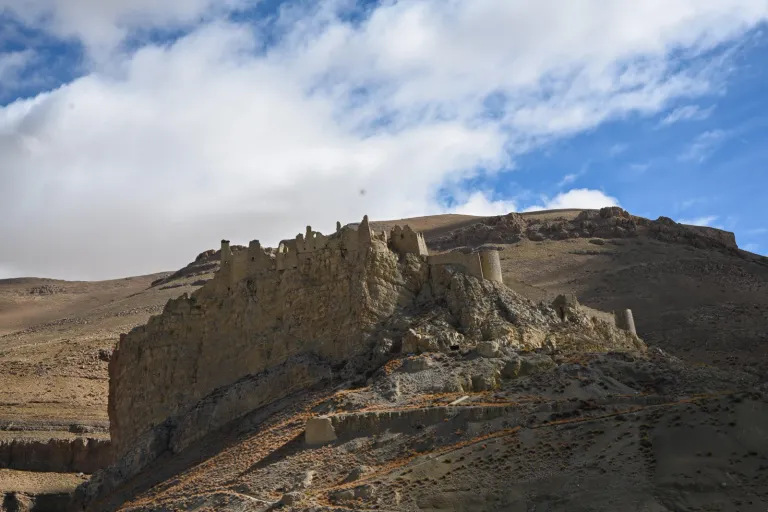
After coming down we drove west to our first commercial scenic spot since arriving in Tibet — Qilin Gorge. The gorge sits at the foot of the snow mountains, filled with strange rock formations that create a surreal contrast with the snow, as if they came from a different planet.
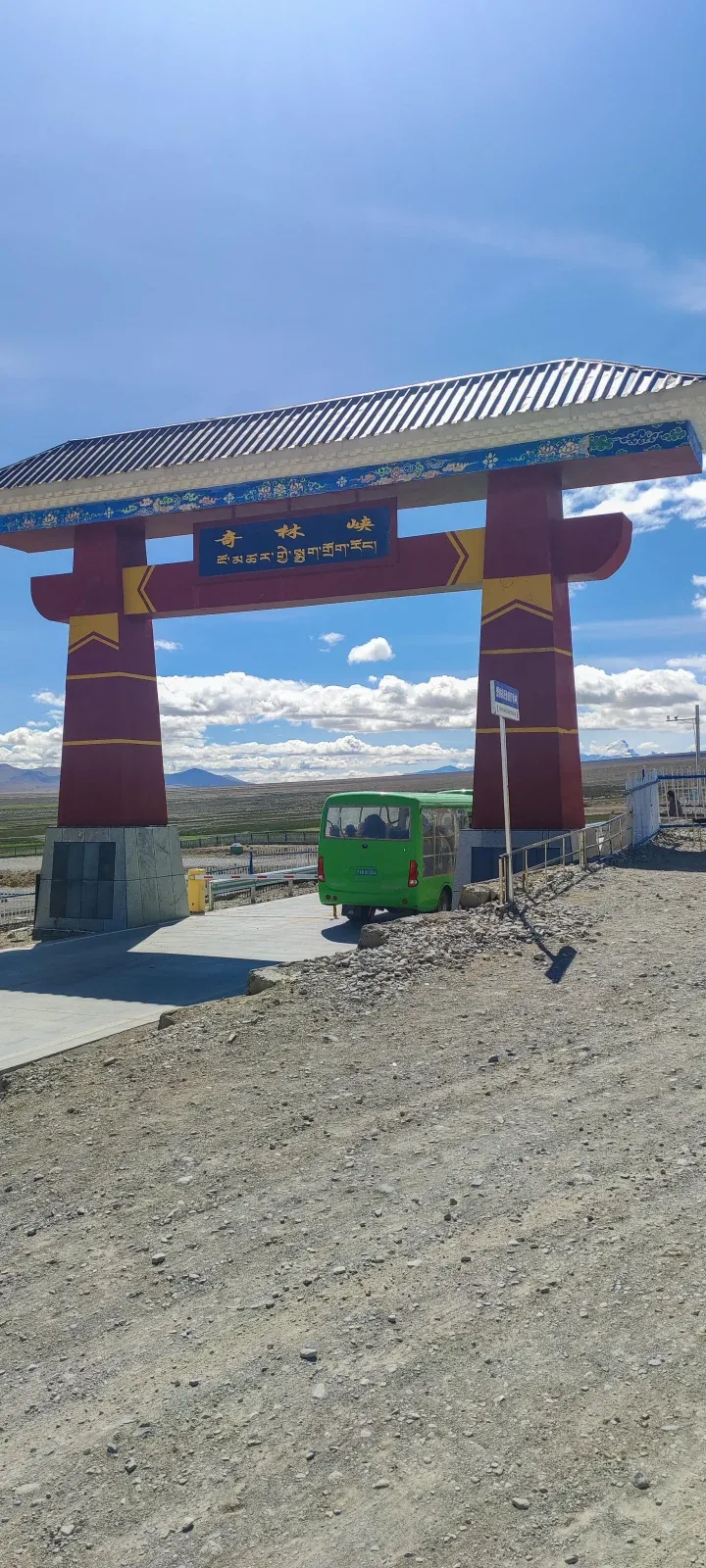
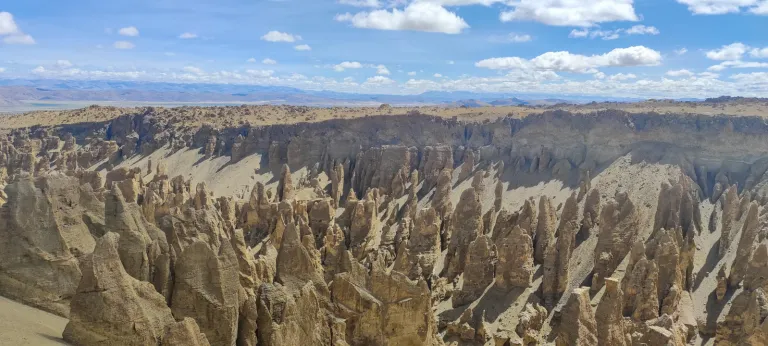 Leaving Qilin Gorge, we had two options: continue west to Tingri County, or go south to the border town of Chentang. I planned to fly home on the 8th. If we went to Tingri, we could only look around Tingri the next day — going any further west, I couldn’t get back to Lhasa in a day to catch my flight. So we agreed to visit Chentang today to experience the border scenery, and go to Tingri the next day for a close-up view of Everest.
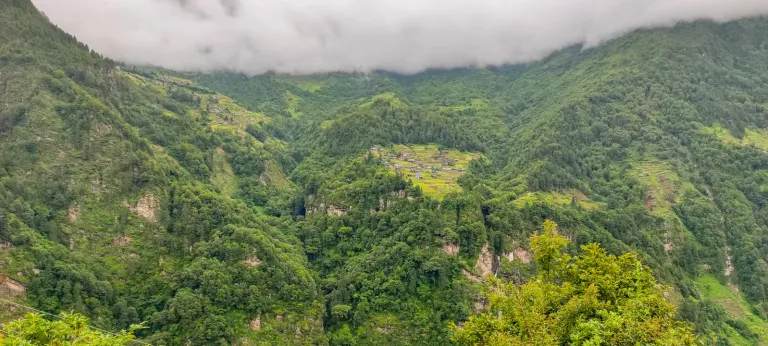
Chentang sits in one of the Himalayan valleys, the Chentang Valley, bordering Nepal. From the Tibetan Plateau at about 5,000 meters you descend to the valley floor at just over 2,000 meters — a drop of about 3,000 meters. Along the way you go from the barren land of the plateau, to hillsides covered in shrubs, to a valley floor full of towering trees; it’s like entering different worlds.
Because several big snow mountains surround the valley, meltwater under the blazing sun keeps flowing down, and beautiful waterfalls of all sizes are everywhere. They all converge in the valley, the flow growing ever larger, from small streams at the top to a raging torrent at the bottom, flowing into Nepal and eventually into India’s mother river, the Ganges.
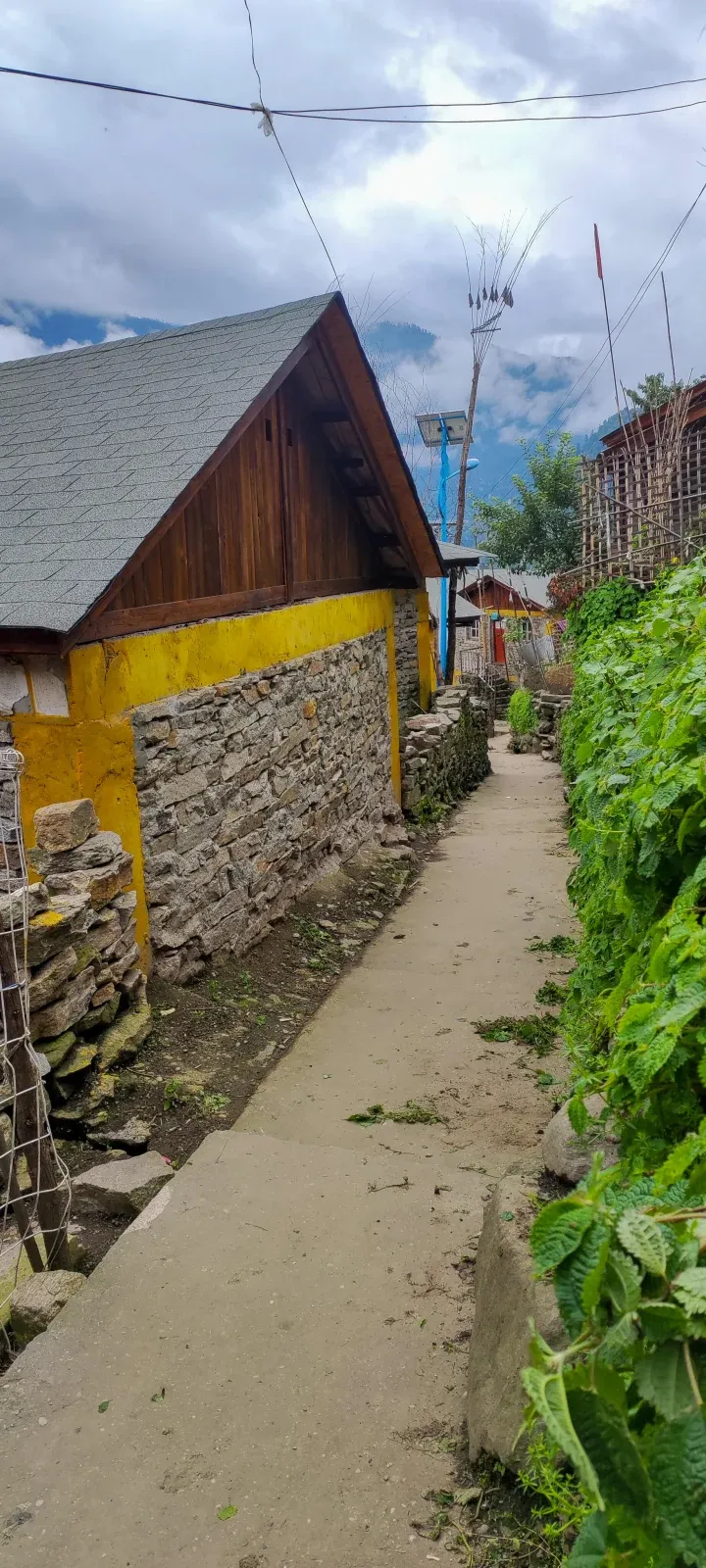 Chentang is home to China’s Sherpa community, and from many parts of town you can see Nepalese villages across the valley, also inhabited by Sherpas. Apart from the town center, built on a small patch of flat ground at the valley floor, most people live scattered across the slopes beside the valley — some on steep hillsides halfway up the mountains, with no road, reachable only on foot.
 That night we stayed at a hotel in town. The owner and staff were all from Chengdu, and chatting with the owner felt very familiar.
July 7
At just over 2,000 meters, Chentang didn’t feel like the plateau at all — if anything it was a bit humid and muggy. The hotel didn’t serve breakfast, so the owner cooked us two bowls of noodles, and after eating we got ready to leave the valley. At the checkpoint at the edge of town we were told it had rained the night before and there had been several landslides on the mountain road out; the road crew had only just gone to clear them, and it wouldn’t reopen until noon at the earliest. There wasn’t much to see in such a small town, so Jimmy and I rested in the car and waited. We waited until after 2 p.m., when word came that just as the road was about to reopen, another landslide had hit, and we might not get out until 6 p.m. We drove back into town for a meal and to decide whether to stay another night. Fortunately, by the time we finished eating, one lane had reopened. We hurried through the security check and headed out of the valley before another landslide could happen.
Out of the valley, we headed for the Everest viewing platform on S515 (the Everest Road), hoping to catch the sunset if we arrived before 9:30 p.m. Along the way there’s a lesser-known viewpoint for Makalu, and we were lucky — its summit had just emerged from a mass of cloud. We reached the Everest viewing platform around 9:15 p.m. and our luck was off the charts: the whole row of 8,000-meter peaks was clearly visible. Jimmy said almost half of first-time visitors don’t get to see them.
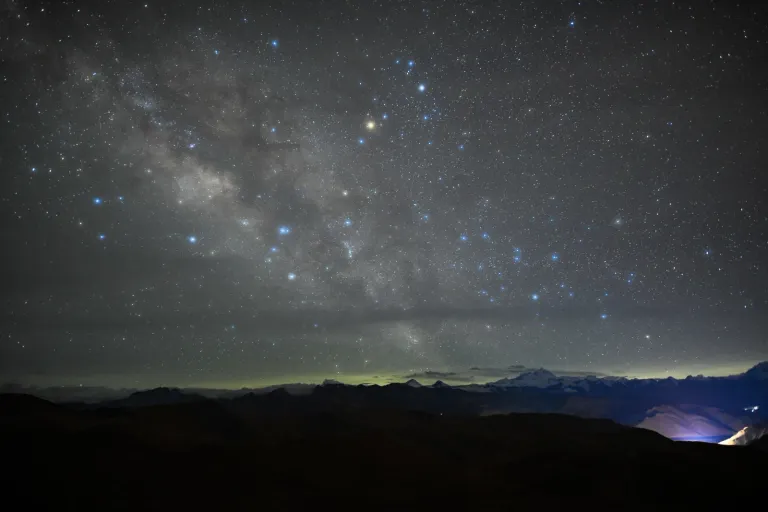
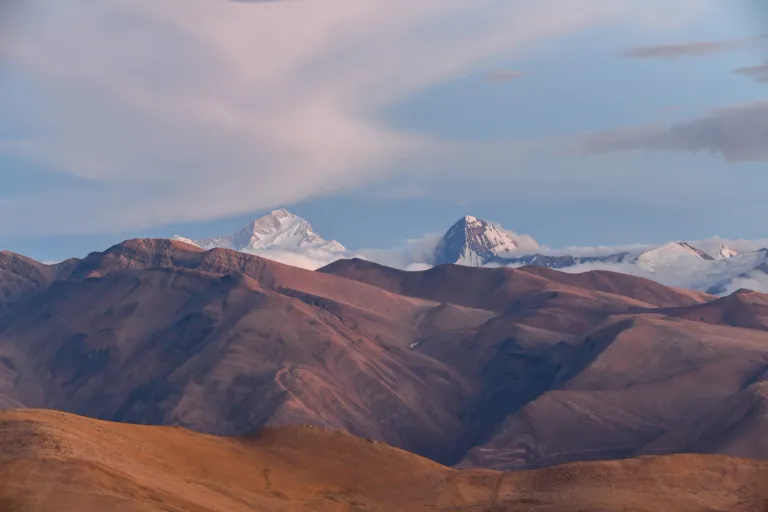 We got out our cameras and shot away as the sky slowly darkened and colorful clouds lit up the sunset. Some cars were parked beside the platform, and chatting with people we learned most planned to spend the night there to shoot the stars and the golden sunrise on the peaks. Hearing “stars”, I was instantly interested. Venus was already shining overhead and the sky was perfectly clear, so a sky full of stars should appear soon.
We went back to the car for some snacks to recharge, then set up the tripod and camera gear on the platform and waited for the stars. Around 10 p.m. the stars slowly came out, and to our delight the Milky Way appeared too. With the Everest range in the background, I captured the Milky Way and Everest in one frame — a perfect finale to this snow-mountain trip through Tibet. It was well worth it.
 It was past midnight when we got down the mountain and settled in Tingri County. I packed for the trip home, while Jimmy would continue along National Highway 219 all the way to Xinjiang.
July 8
With limited time, I couldn’t join Jimmy for the rest of Highway 219 to Xinjiang, so we said a hurried goodbye. I hired a young Tibetan driver to take me to Lhasa airport, and was back in Chengdu that night.
 Life is like a journey: use your eyes to witness the sun rise and set each day, your mouth to taste all the sweetness and bitterness of the world, your ears to listen to people’s laughter, and your hands to feel the gentle breeze of life.